











 Professional Growing Information
 I absolutely love this plant. I grew it last year for the first time and placed it in the front garden. It was at least 4ft high and 2ft wide in its location and it was magnificent. I loved it so much that I have bought one again this year to put in the garden. I am only planting one because my garden is small; otherwise I would grow more of them.
Señorita Rosalita® Spider Flower Cleome
View larger image: cleome_rosalita_dsc_00122.jpgView larger image: 89989.jpgView larger image: cleome_rosalita_dsc_00712.jpgView larger image: eleanor.jpgView larger image: backyard_4.jpgView larger image: blossomsnrtarosalita02.jpgView larger image: backyard_newly_planted_2.jpgView larger image: backyard_newly_planted_1.jpgView larger image: backyard_6.jpg
Exposure
- Sun
Flower Season
- Spring
- Summer
Mature Size
Height: 2' - 4'
Spread: 18" - 2'
Height: 61cm - 1.2m
Spread: 46cm - 61cm

-
24 - 48 Inches12 - 18 Inches18 - 24 Inches61cm - 1.2m30cm - 46cm46cm - 61cm
Features
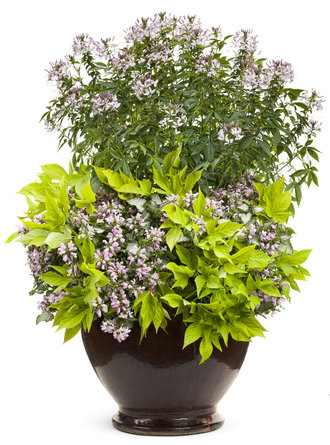
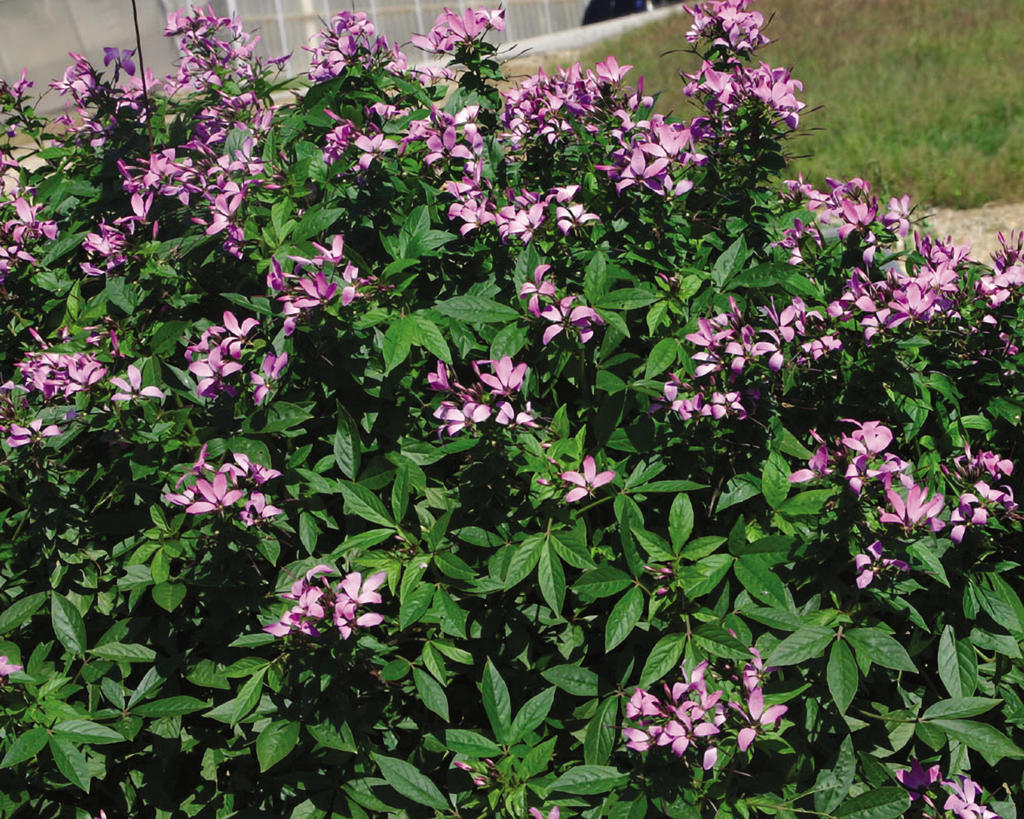
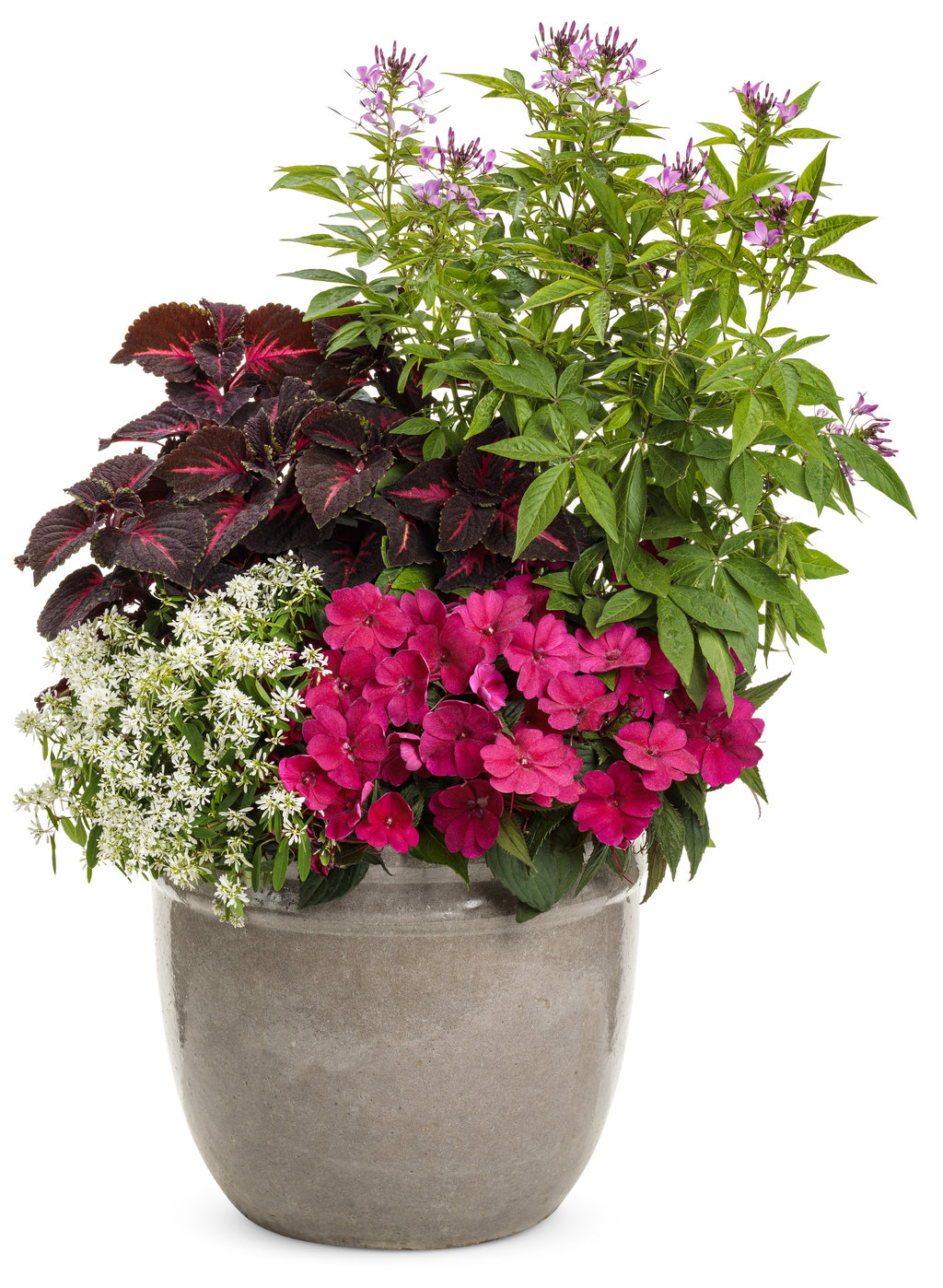
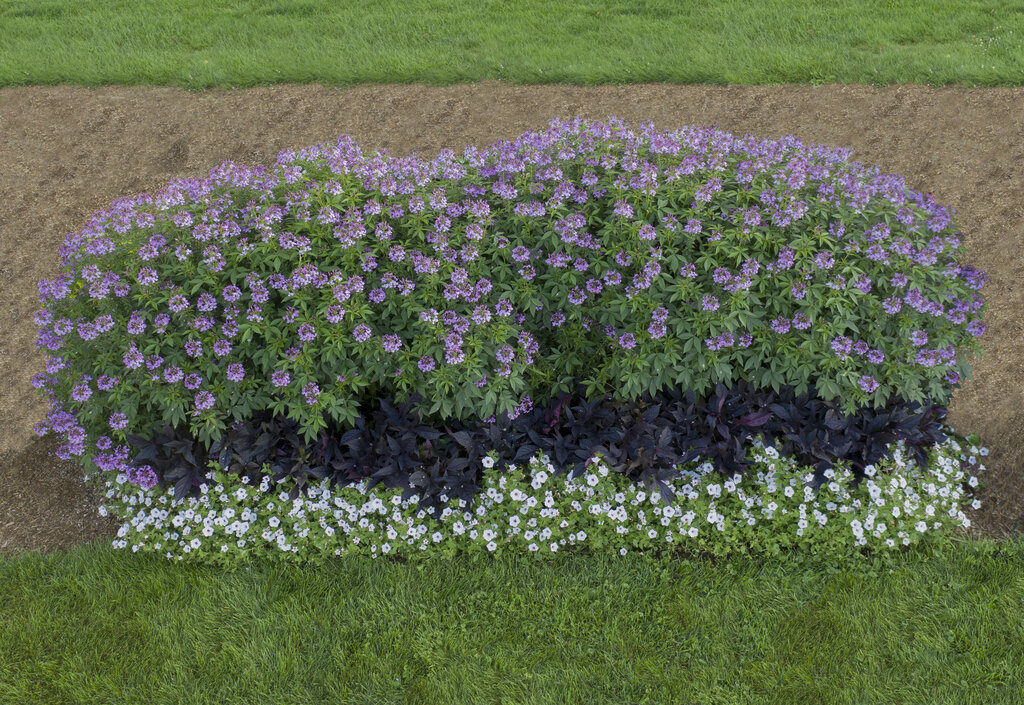
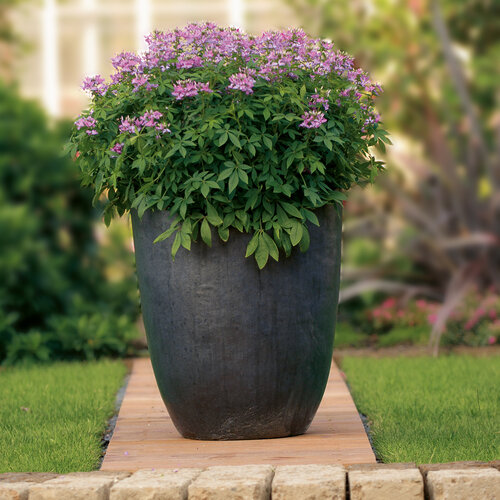
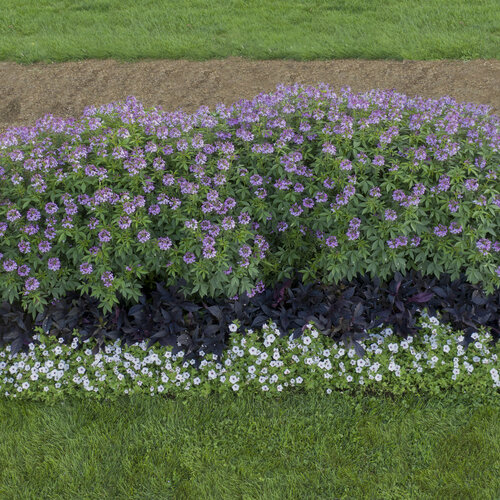
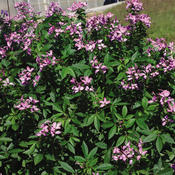
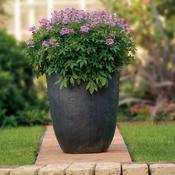
This large-scale, heat tolerant annual cleome is a rock star in landscapes and sizable containers, growing quickly to add dramatic height, uniquely textured foliage and flowers for pollinators. Thankfully, deer aren’t as impressed with it as pollinators are.
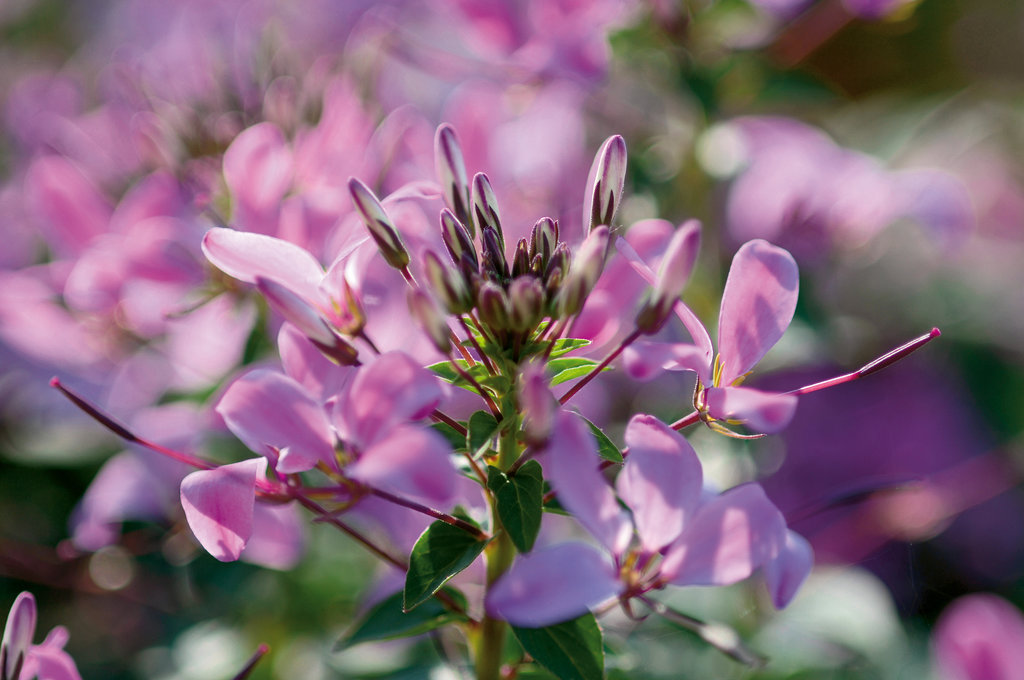
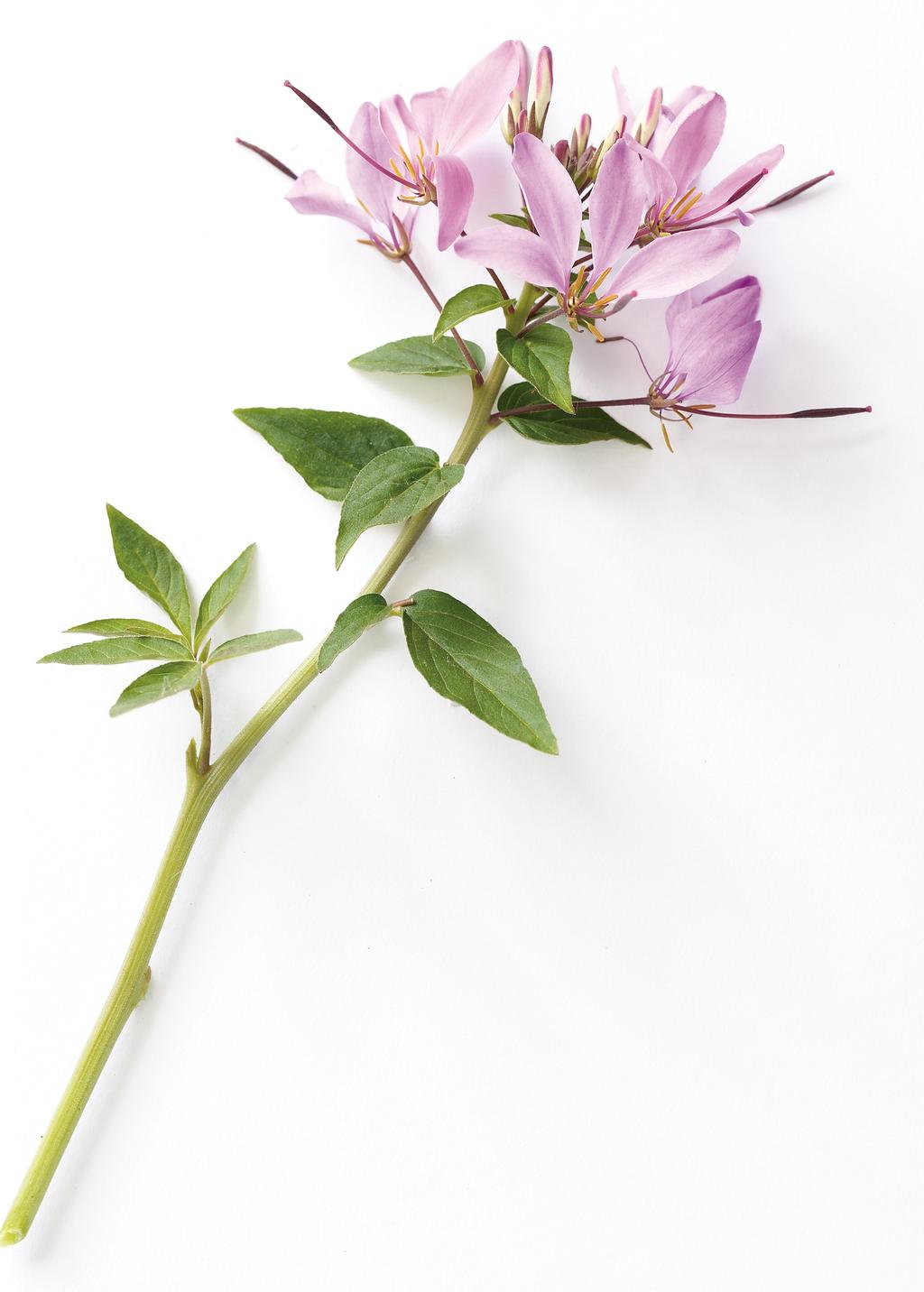
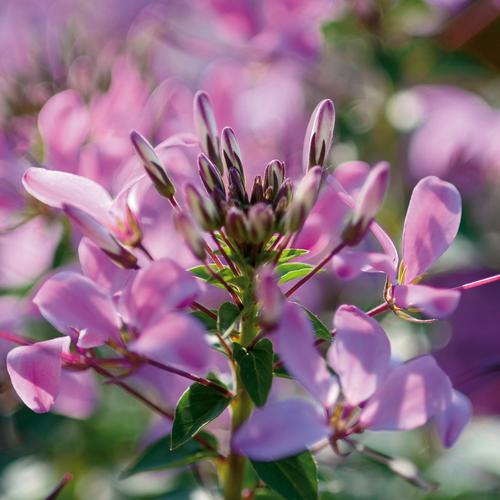
Unlike traditional cleome plants, Senorita Rosalita is easier to grow because it is a thornless variety with no odor or sticky sap to contend with. It produces an abundance of smaller clusters of pink flowers all over the top of the plant. Because the flowers are sterile, this cleome does not form seeds or spread around the yard. This trait also makes Senorita Rosalita particularly long-blooming while maintaining a tidier look all season.
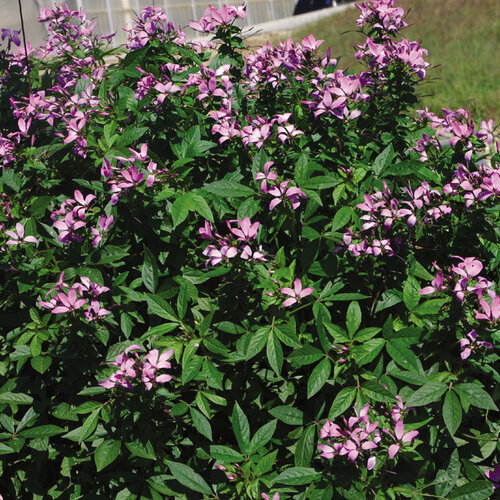
This low maintenance cleome plant has a full habit and maintains its dark green foliage down further on the stems, so you won’t end up with a plant that has “bare knees” like many other types of cleome.
Award WinnerHeat TolerantDeadheading Not NecessaryAttracts:Birds, ButterfliesResists:DeerCharacteristics
Plant Type:AnnualHeight Category:TallGarden Height:24 - 48 Inches 61cm - 1.2mSpacing:12 - 18 Inches 30cm - 46cmSpread:18 - 24 Inches 46cm - 61cmFlower Colors:PinkFlower Shade:PinkFoliage Colors:GreenFoliage Shade:GreenHabit:UprightContainer Role:ThrillerPlant Needs
Light Requirement:SunThe optimum amount of sun or shade each plant needs to thrive: Full Sun (6+ hours), Part Sun (4-6 hours), Full Shade (up to 4 hours).
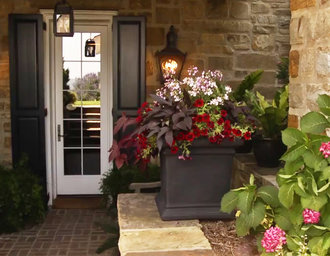
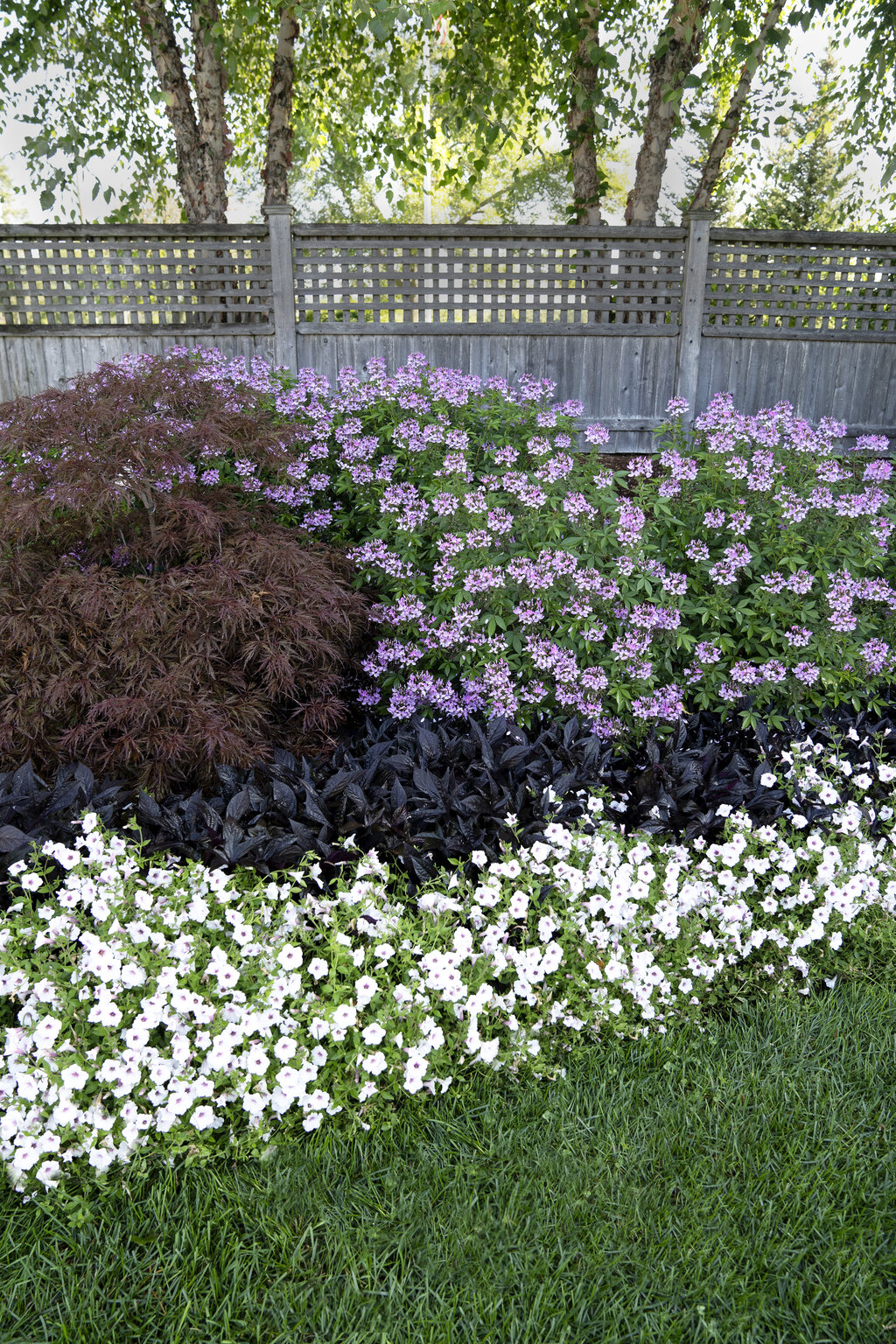
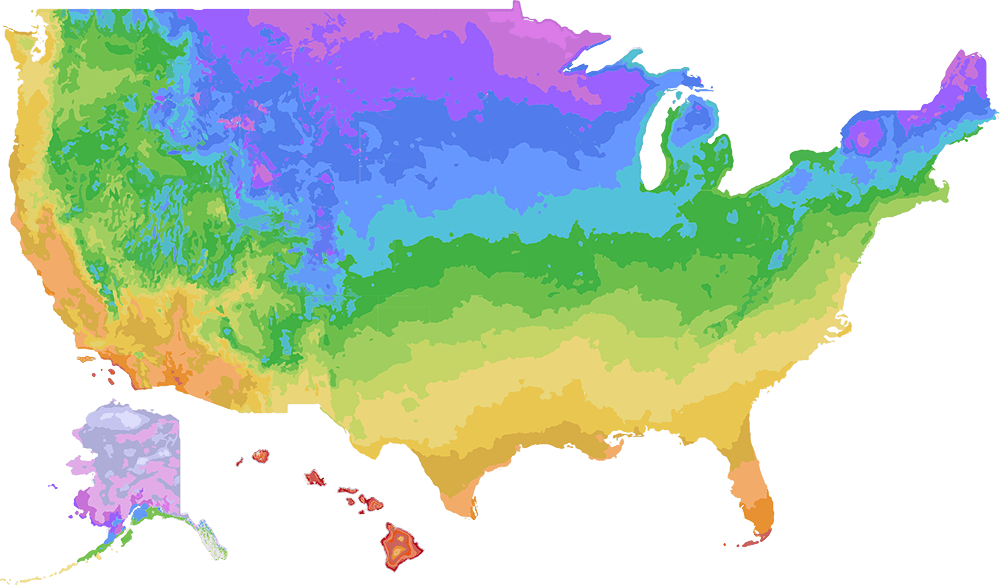
Maintenance Category:EasyBloom Time:Planting To FrostHardiness Zones:10a, 10b, 11a, 11bWater Category:AverageSoil Fertility Requirement:Average SoilUses:ContainerUses:LandscapeUses Notes:Use in landscape beds for height or in large planters.
Maintenance Notes:Unlike traditional cleome, Senorita Rosalita spider flower is non-seeding, non-sticky, and it’s typically a thornless cleome.
Deadheading isn’t needed for this thornless cleome. Apply compost or fertilizer in garden beds or fertilize regularly in containers for the best pink spider flower performance. Mature Senorita thornless cleome plants may rarely develop a few spines, but this is uncommon.
Deep south gardeners:Reports show Senorita Rosalita spider flower can occasionally be attacked by the Cabbage Budworm (Hellula phidilealis), a moth larva that tunnels inside stems, causing wilted or dying tips. The caterpillar stays inside the stem until maturity, then emerges to spread. A Bacillus thuringiensis (Bt) product such as DiPel can help manage the issue and is generally considered safe for people and pets. The insect also feeds on many brassicas, including broccoli, cauliflower, Brussels sprouts, bok choy, and collards. So far, it has been seen mainly in South Florida, though the management approach is the same throughout the US.
Fun Facts:2026 National Landscape Annual of the Year.
Señorita Rosalita® Cleome 'Inncleosr' USPP 19,733, Can 3,290 -
574413322412Browse reviews from people who have grown this plant.
-
Daphne Tot, Ontario, Canada, 14 weeks ago
-
This plant is absolutely stunning! I tried growing only one plant for the first time, giving it a special spot in my front yard so it could thrive and reach its full potential. It grew so beautifully that, believe it or not, someone actually stole it — yes, they dug it right out of the ground! That’s how eye-catching it was
Moftah Younis, Saskatchewan, Canada, 50 weeks ago -
Beautiful non stop flowers until frost - and the deer that normally eat lantana and marigolds don't touch this. I'll be getting more.
Linda, 4 years ago -
Zone 9b, full sun, 100+ temperatures are normal here. This cleome has little thrones on the stem and the leaves are sticky. The foliage is good looking, it blooms little airy flowers nonstop. I planted it in the ground. It was 3 feet tall and then fell forward to make a wall of airy blooms and block the view of other glorious plants. I like the plant very much but will know where to plant it in the future. Someone reviewed it with bubblegum petunias and I think that combination would be a winner.
Peggie Who, California, United States, 5 years ago -
My all time favorite annual! It just goes and goes all summer! I’ve even had one break in half during a bad storm and two weeks later it had grown back! I couldn’t find any in my area this year and I searched for it at 6 different garden centers. I’m hoping it was just the pandemic and in 2022 it will be back in my local garden center! Please don’t stop selling this flower!
Ann, Indiana, United States, 5 years ago -
I have grown this plant for the last two summers. It grew to well over five feet tall and four feet wide both years, and was covered in blooms. This lady is a winner,
Mary, Virginia, United States, 5 years ago -
I live in Connecticut. This is the first year I planted this flower. I planted it in a self watering planter with Supertunia Vista Bubble gum. This plant was amazing from the moment I planted it in spring and still looks amazing. The most wonderful thing was when I measured it, the width was about 42”. Everyone comes to our home is amazed by this plant. I also use the Proven Winners Water Soluble once a week. I plan to plant it in the landscape next year because I love it so much!
Keisha A, Connecticut, United States, 6 years ago -
This is one of the most beautiful plants I have ever grown. I usually plant 5 of them and they fill in an area 3 ' x 12'. They are stunning and so easy to grow. I plant them in full sun and they thrive. If I could only pick one flower to plant, this would be it.
Patti Maloney, Michigan, United States, 6 years ago -
Beautiful plant. Bloomed for 2 years straight for me in Florida. Had a nice round shape.
Sheila, Florida, United States, 6 years ago -
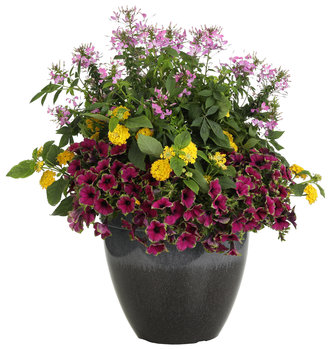
This plant was new to me this year. Placed it in a large black planter along with supertina black cherry petunias and sweet caroline ravine sweet potato vine. Outstanding performance and beauty. Received many compliments. Only wish I could use it as a periennial for my planting zone. Will use it again and again.
DEA, South Dakota, United States, 8 years ago
Award Year Award Plant Trial 2025 Top Performer Mississippi State University - Crystal Springs 2025 Top Performer Oklahoma State University Botanical Gardens 2025 Top Performer Boerner Botanical Garden 2025 Top Performer University of Missouri 2025 Perfect Score - Garden Plantings & A Top 10 Winner University of Minnesota - Morris 2025 Perfect Score & A Top 10 Winner University of Minnesota - Grand Rapids 2025 Leader of the Pack - Beds North Carolina State, JC Raulston Arboretum 2025 Best of Breed North Carolina State, JC Raulston Arboretum 2025 Leader of the Pack - Late Season North Carolina State, JC Raulston Arboretum 2025 Top Performer University of Tennessee - Knoxville 1 More Recipes -