


Sign Up For Proven Winners Emails!
Receive email news and offers from Proven Winners.
Graceful Grasses®Toffee TwistToffee Twist SedgeCarexflagellifera
Graceful Grasses®
Toffee Twist
Toffee Twist Sedge
Carex
flagellifera
Not Available Online
Features
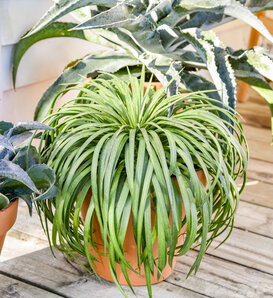
Slender, iridescent leaves offer an elegant sweeping, trailing habit. A coolseason
grass. Perfect thriller adding height and drama to any container.
Deadheading Not Necessary
Fall Interest
Foliage Interest
Grass
Landscape Plant
Low Maintenance
Ornamental Characteristics
Flower Color:
None
Foliage Color:
Bronze
Garden Height:
18 - 24"; Medium
Spacing:
18 - 24"
Habit:
Upright
Container Plant Style:
Thriller - Used either in the back or middle of a container. Usually a taller item that adds height and drama to the container.
Plant Needs
Duration:
Annual
Bloom Time:
Grown for Foliage
Hardy Temp:
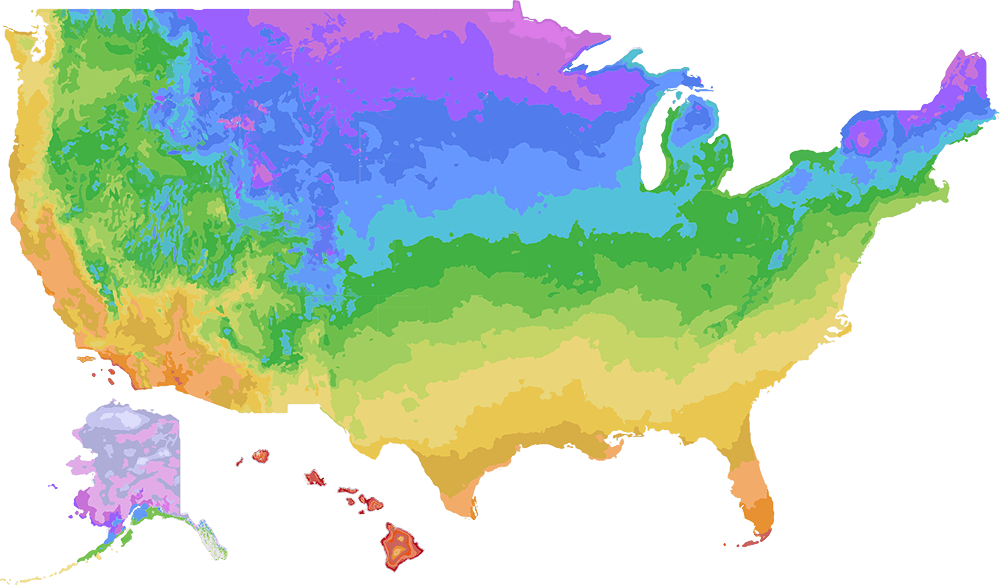
5°F (-15°C)
Exposure:
Sun or partial sun
Water Needs:
Normal to Wet
Maintenance:
Easy
Uses:
Landscapes and containers
Great in combinations, especially fall containers
Patent Information
Growing Tips
Toffee Twist is a cool-season grass. Where temperatures get colder than five degrees F, the plants should be treated as annuals. Once the grass turns brown it can either be removed immediately or removed in the spring. It should not be expected to live through the winter and begin growing again in the spring.
In areas where winter temperatures remain above five degrees it should be considered a perennial and the following information should be useful.Cool-season grasses put on most of their growth in spring before temperatures begin exceeding 75 degrees Fahrenheit and in the fall when temperatures cool down. They generally maintain good color through the summer but won't grow much when it is hot.
Cut back cool season grasses in very early spring.
Cool season grasses tend to look good even as the weather cools. Leave their foliage in place until spring and then as soon as the snow is gone cut them back. Leave about 1/3 of the plant in place. Trimming cool season grasses too harshly can irreparably harm the plant.
Divide cool season grasses in spring or early fall. Cool season grasses are actively growing in spring and fall. These grasses can be transplanted at either time of the year but early spring is probably the best time to divide. If you do divide them in the fall, be careful that the freeze/thaw cycles of winter don't heave the plants out of the ground, this happened to a couple of my coral bells last winter.
In areas where winter temperatures remain above five degrees it should be considered a perennial and the following information should be useful.Cool-season grasses put on most of their growth in spring before temperatures begin exceeding 75 degrees Fahrenheit and in the fall when temperatures cool down. They generally maintain good color through the summer but won't grow much when it is hot.
Cut back cool season grasses in very early spring.
Cool season grasses tend to look good even as the weather cools. Leave their foliage in place until spring and then as soon as the snow is gone cut them back. Leave about 1/3 of the plant in place. Trimming cool season grasses too harshly can irreparably harm the plant.
Divide cool season grasses in spring or early fall. Cool season grasses are actively growing in spring and fall. These grasses can be transplanted at either time of the year but early spring is probably the best time to divide. If you do divide them in the fall, be careful that the freeze/thaw cycles of winter don't heave the plants out of the ground, this happened to a couple of my coral bells last winter.
Other Colors In Graceful Grasses® Series
| Year | Award | Trial |
|---|---|---|
| 2007 | Excellent Rating | Disney Winter Trials |
| 2009 | Best Friend Forever | Virginia Tech |
| 2009 | Top Performer | Ohio State University Extension - Springfield |
| 2006 | Top 14 | Mississippi State University |
| 2009 | Best of Breed Winter | North Carolina State, JC Raulston Arboretum |
| 2009 | Top Performer | Norfolk Botanical Garden |
| 2009 | Top Performer summer | Michigan State University |
| 2010 | Top Performer | Powell Gardens |
| Great grass into fall. Easy with great color. | ||
| 2010 | Top Performer | Oklahoma State University Botanical Gardens |
| Nice color and contrast with small, neat habit. | ||
| 2010 | Very Good | Devonian Botanic Garden |
| 2010 | Very Good | Massachusetts Horticultural Society at Elm Bank |
| 2003 | Top Performer-Fall | Oklahoma State University Botanical Gardens |
| 2009 | Top Performer | University of Kentucky Arboretum |
| 2005 | Top Performer | University of Illinois-Champaign County Master Gardeners |
| 2007 | Leaders of the Pack - Later Winter | North Carolina State, JC Raulston Arboretum |
| 2009 | Excellent Rating | Boerner Botanical Garden |
| Wonderful for designer planters | ||
| 2009 | Top Performer - Growers | Ohio State University - Columbus |
| 2007 | Leaders of the Pack - Winter | North Carolina State, JC Raulston Arboretum |
| 2009 | Top 10 | University of Minnesota-St. Paul |
| 2006 | Arboretum Approved | Dallas Arboretum |
| 2009 | Top Performer | Assiniboine Park Conservatory |
| 2009 | Top Performer | University of Kentucky Arboretum |
| 2009 | Top Performer - Late Summer | Michigan State University |
| 2009 | Leader of the Pack - Early Season | North Carolina State, JC Raulston Arboretum |
| 2009 | Top Performer | Longwood Gardens |
| 2007 | Leaders of the Pack - Early Winter | North Carolina State, JC Raulston Arboretum |
| 2007 | Best of Breed - Winter | North Carolina State, JC Raulston Arboretum |