




 Professional Growing Information
 Here, in zone 3-4, this plant is definitely an annual but, as I have proven for the past 12 years, it can easily be overwintered in a sunny window (if you have the space!). Every spring, I trim back the clump because it branches out and becomes a bit of a 'spiller', add some fresh potting mixture and place back in the sunny window - awaiting warmer temperatures. I have even successfully rooted those trimmings. Do not put this plant outside until the OVERNIGHT temperatures are holding at +10ºC (50ºF)! Even one too cold night will cause failure. There are years (in Calgary) when that overnight temperature has not been constant so my pots of Purple Fountain Grass have been toted out during the day and back inside after sunset (sometimes even our unheated garage is not warm enough). Yes, some trouble, but well worth it. Being in pots, I can position them wherever their light requirements are met but especially where other plants have finished blooming and that spot is looking a bit poor.
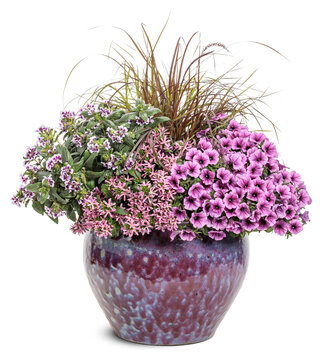
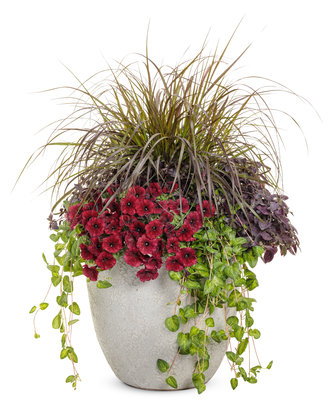
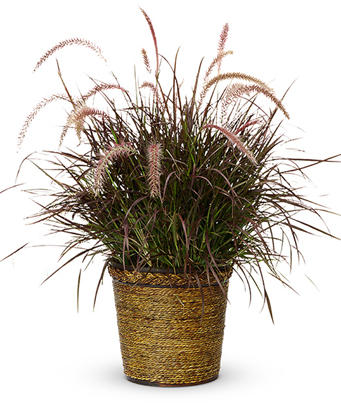
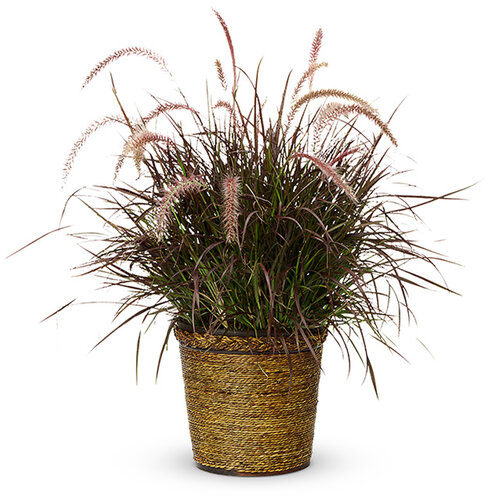
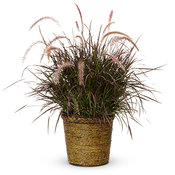
Graceful Grasses® Purple Fountain Grass Pennisetum setaceum 'Rubrum'
- Part Sun to Sun
- Spring
- Summer

-
30 - 36 Inches18 - 24 Inches12 - 24 Inches76cm - 91cm46cm - 61cm30cm - 61cm
Features
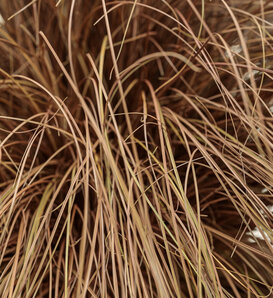
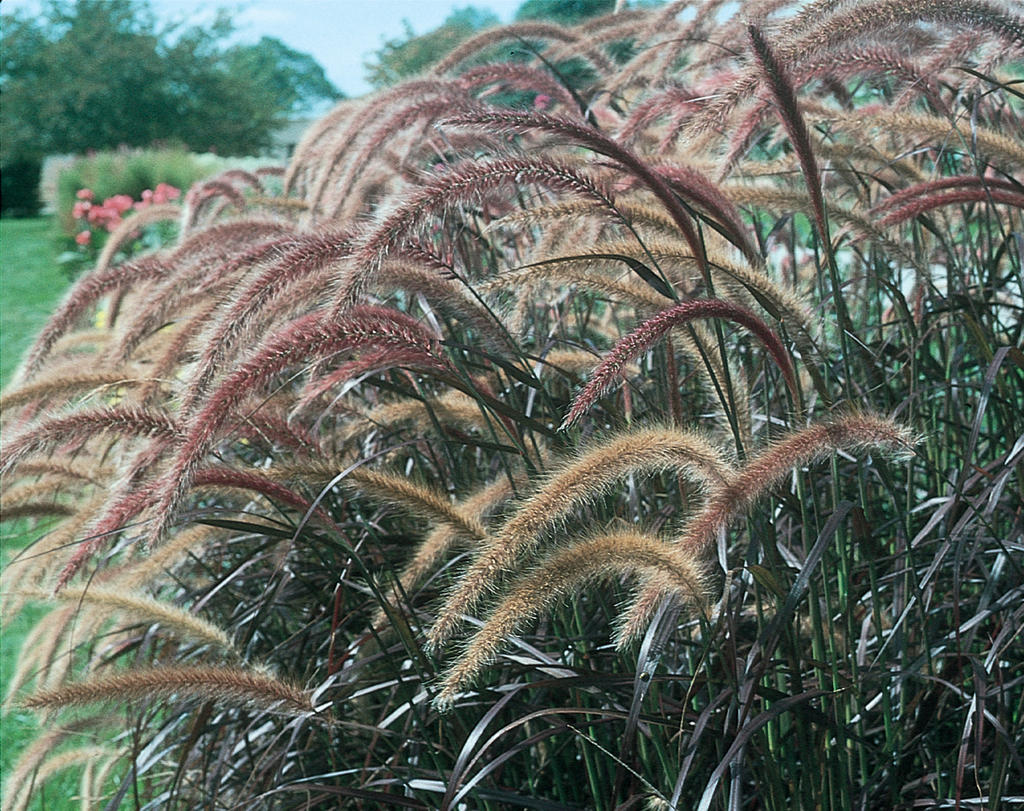
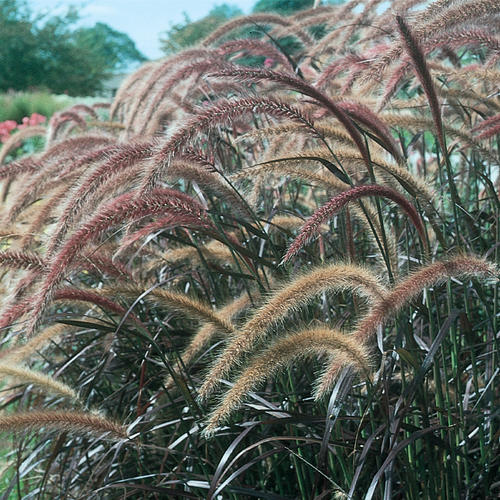
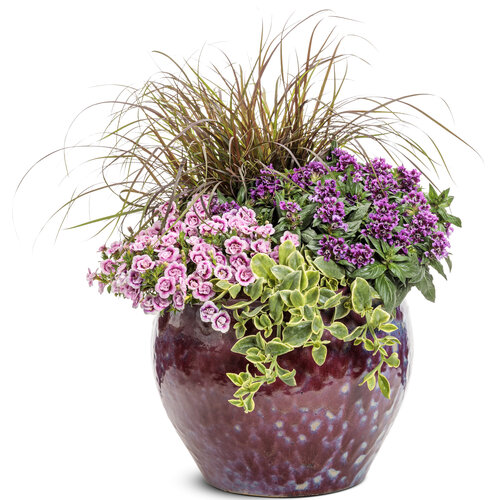
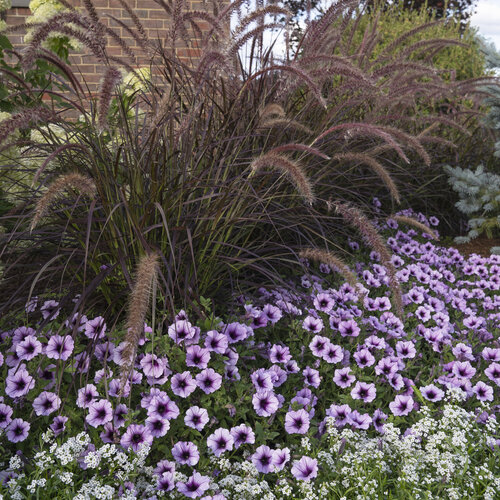
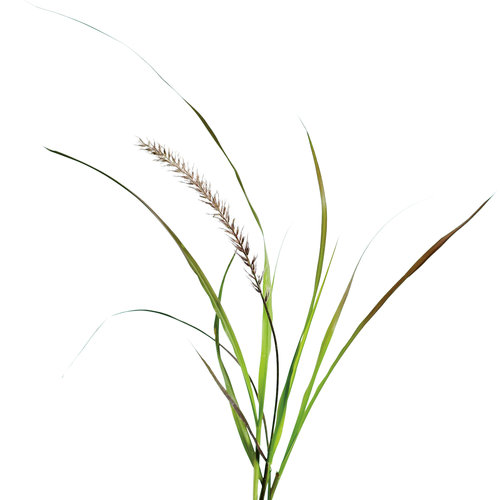
Bronze-purple foliage topped with graceful arches of burgundy-toned seed heads
Award WinnerHeat TolerantDeadheading Not NecessaryGrass:GrassCharacteristics
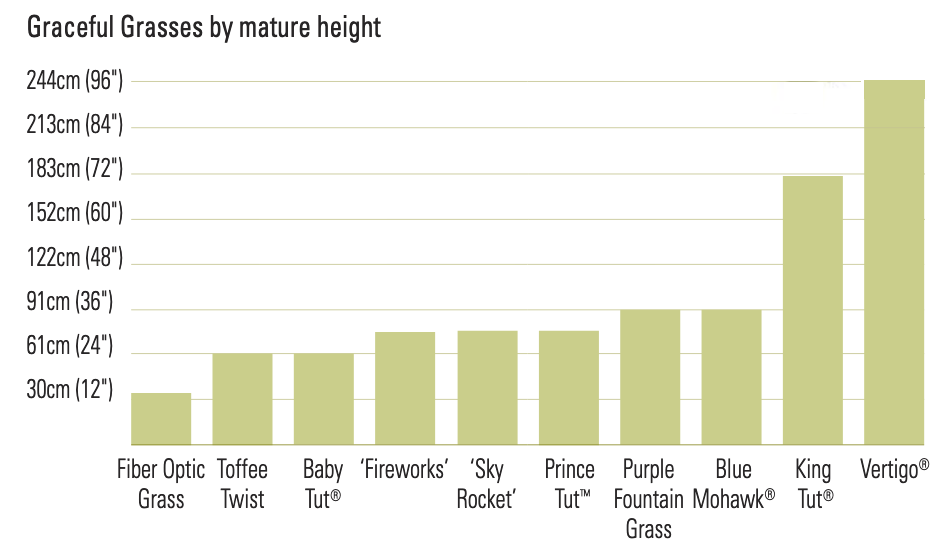
Plant Type:AnnualHeight Category:TallGarden Height:30 - 36 Inches 76cm - 91cmSpacing:18 - 24 Inches 46cm - 61cmSpread:12 - 24 Inches 30cm - 61cmFlower Colors:PinkFlower Shade:PinkFoliage Colors:PurpleFoliage Shade:Black/PurpleHabit:UprightContainer Role:ThrillerPlant Needs
Light Requirement:Part Sun to SunThe optimum amount of sun or shade each plant needs to thrive: Full Sun (6+ hours), Part Sun (4-6 hours), Full Shade (up to 4 hours).
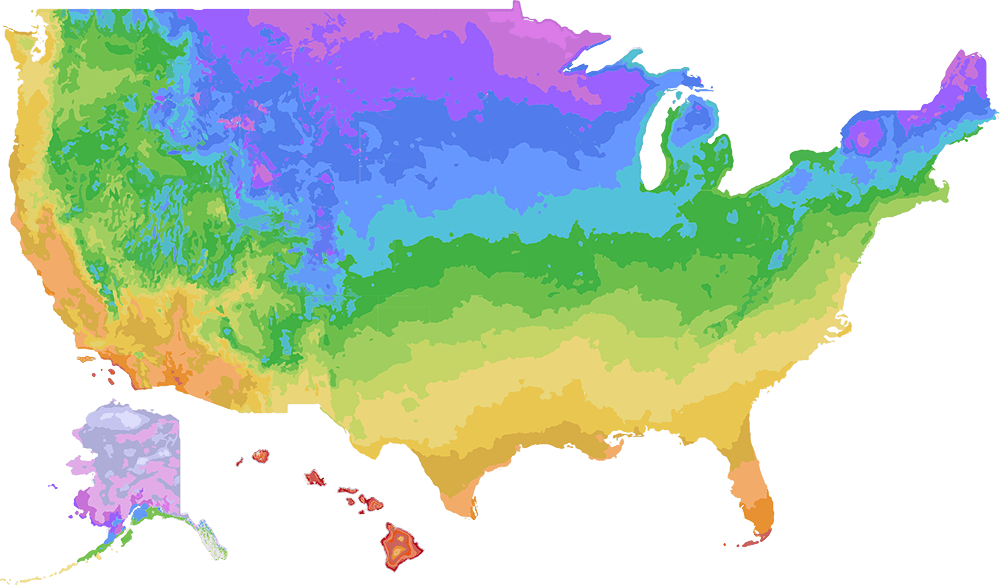
Maintenance Category:EasyBloom Time:Summer through FallHardiness Zones:9a, 9b, 10a, 10b, 11a, 11bWater Category:AverageSoil Fertility Requirement:Average SoilUses:ContainerUses:Cut FlowerUses:Dried FlowerUses:GrassUses:LandscapeUses Notes:This grass will beautify your garden all summer
Maintenance Notes:Learn all about ornamental grasses care in our guide to planting, cutting and dividing.
In almost all areas Rubrum will be an annual grass. Once the grass turns brown in the fall you can cut it back to the ground whenever you would like.
Rubrum is a warm-season grass. Where temperatures get colder than 20 degrees F, the plants should be treated as annuals. Once the grass turns brown it can either be removed immediately or removed in the spring. It should not be expected to live through the winter and begin growing again in the spring.
In areas where winter temperatures remain above 20 degrees it should be considered a perennial and the following information should be useful. Warm-season grasses won't start growing until mid to late spring or even early summer. Their major growth and flowering happens when the weather is hot. They will usually turn shades of brown for the winter.
Cut back warm season grasses in fall or by mid to late spring. Warm season grasses turn shades of brown as the weather turns colder. Once your warm season grasses turn brown you can trim them back at almost any time. If you like to tidy your garden in fall or if you live in an area where fire can be problematic trim warm season grasses so they are just a few inches tall.
If you live in an area where fire generally isn't a problem you can leave the dried grasses and seed heads in your garden for winter interest. Snow or ice encrusted ornamental grasses can be quite beautiful.
If you leave the trimming until spring try to make sure to cut them back to the ground (you can leave a couple of inches) by late spring, before new growth begins.
Not all ornamental grasses look good through the winter, trim back those that don't look good in the fall.
Divide warm season grasses anytime spring through mid-summer. All ornamental grasses should be divided when they are actively growing but not while they are flowering. If the plants are dormant when they are transplanted they won't establish a good root system. Warm season grasses generally start growing in late spring or early summer and have their active growth period during the heat of the summer. Warm season grasses will tend to bloom in mid to late summer.
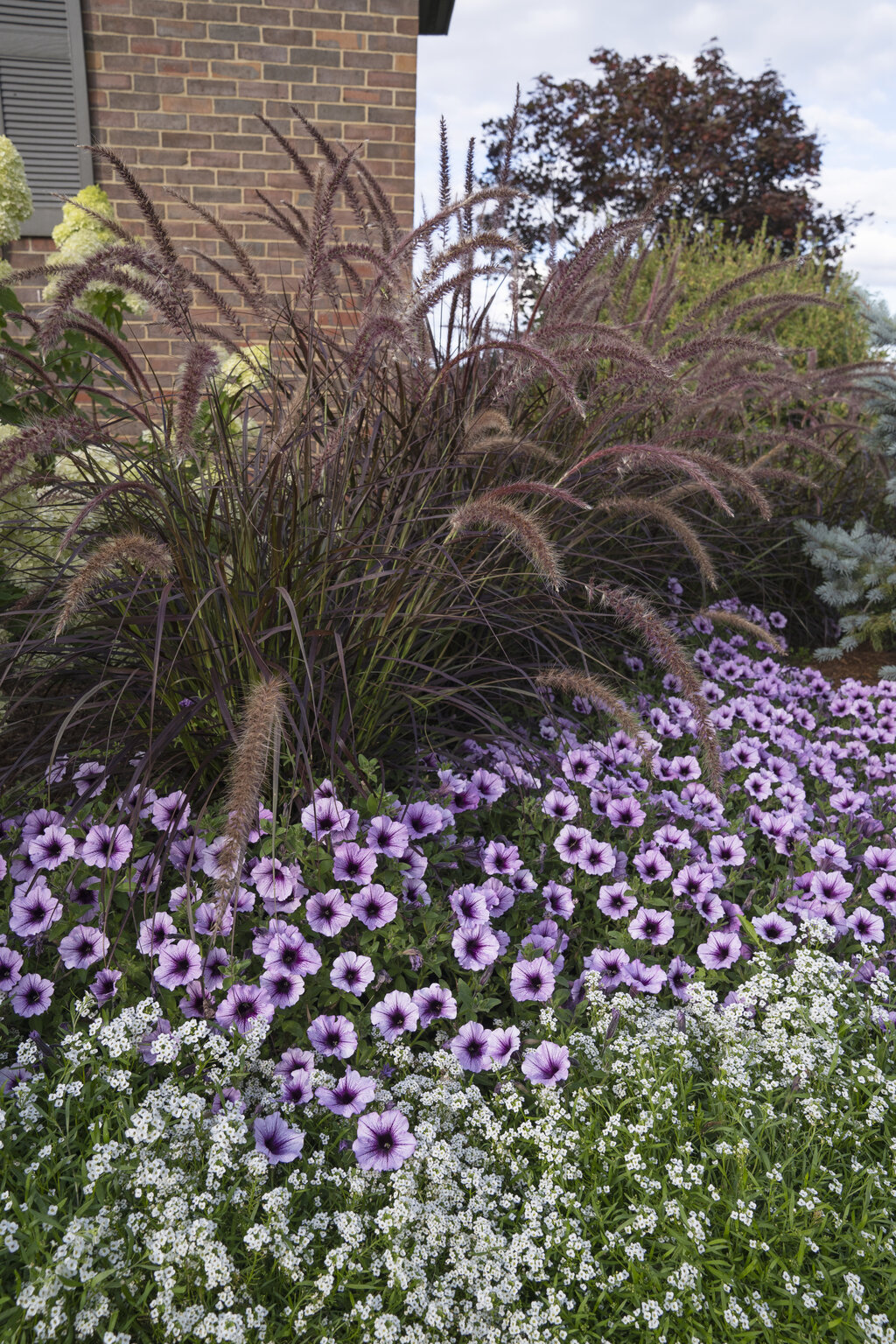
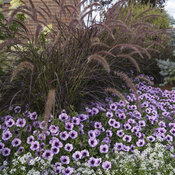
Upright arching. Waves of gracefully nodding soft purple plumes arch up and out from burgundy-tinted foliage in true fountain grass form. This variety is especially dramatic in clusters, mass plantings, or along slopes. A favorite for fresh or dried arrangements. Pest and disease-free.
"A Real Simple magazine - Top 10 goofproof Plant"

-
52542131212Browse reviews from people who have grown this plant.
-
JM Woods, Canada, 1 year ago
-
This plant has exceeded my expectations! It’s full and showy and exploded in size midsummer. It’s about 5ft tall with large plums that are just now starting to turn brown instead of purple. I wish they were a perennial in Colorado because I would have these all over my property. It’s been a hot and dry summer, mid nineties with next to no rain. They are a highlight of my landscaping. I’ll try to regrow from seed heads late winter to see if anything happens. I just hope I can find them again (Lowe’s) next year.
Brandy Miller, Colorado, United States, 4 years ago -
Michelle Ash-Forget, Ontario, Canada, 5 years ago
-
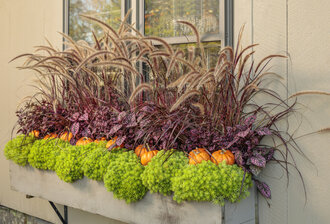
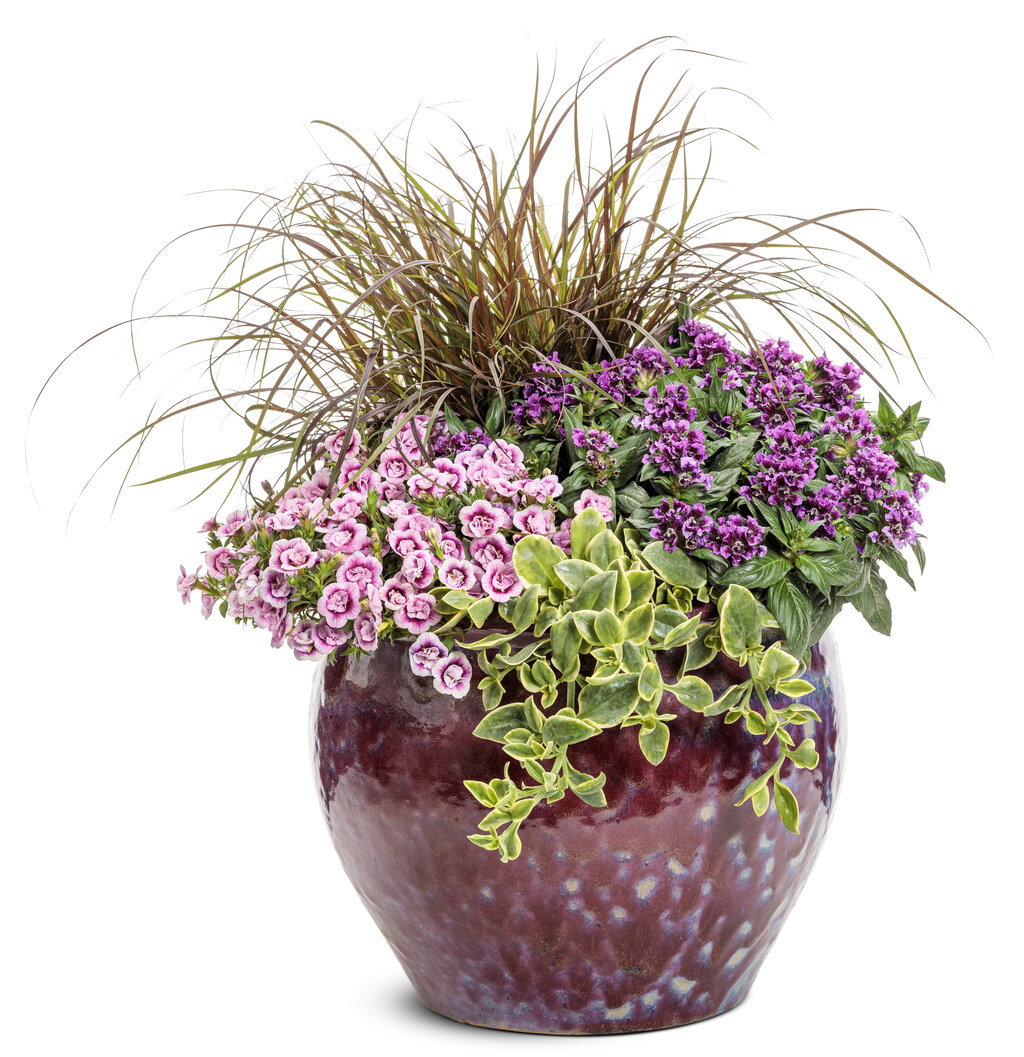
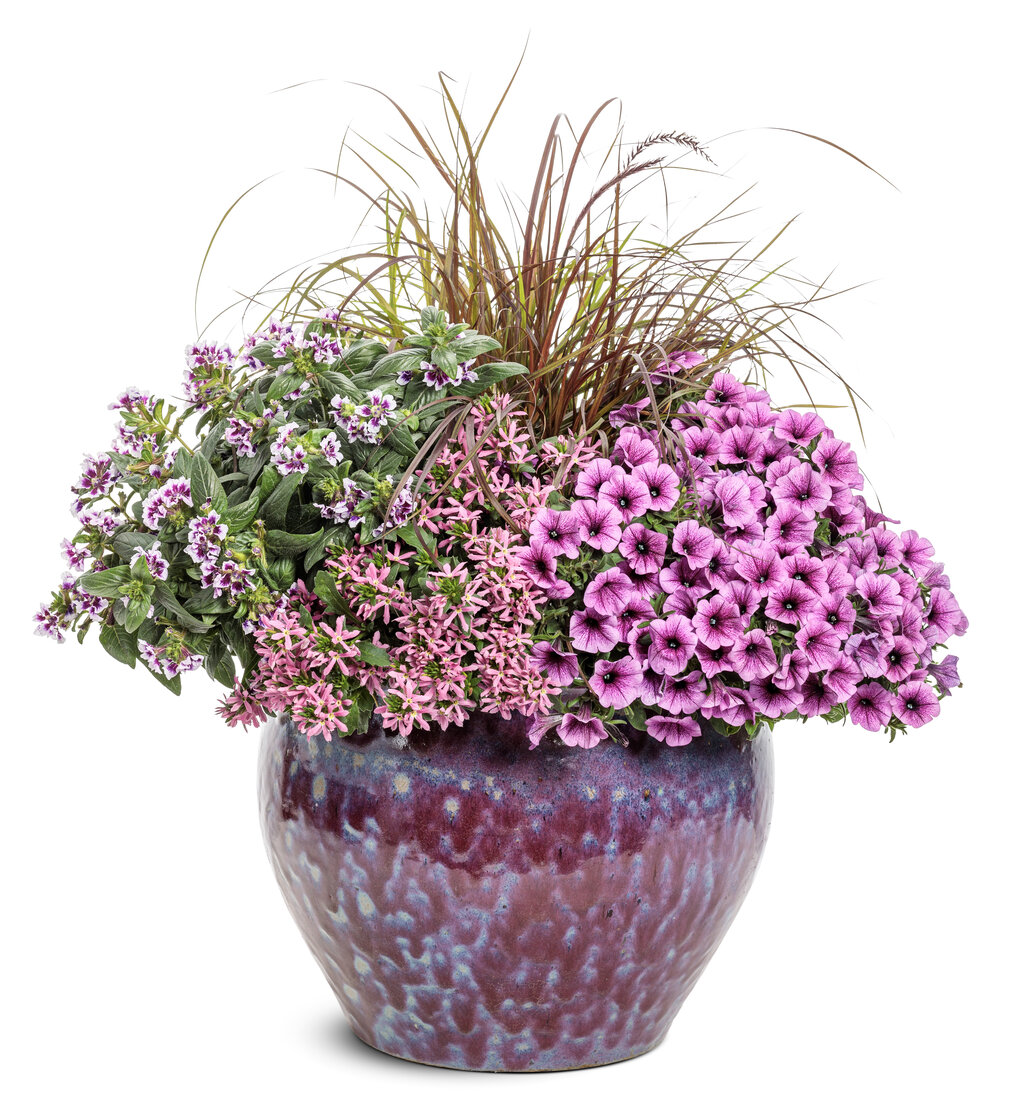
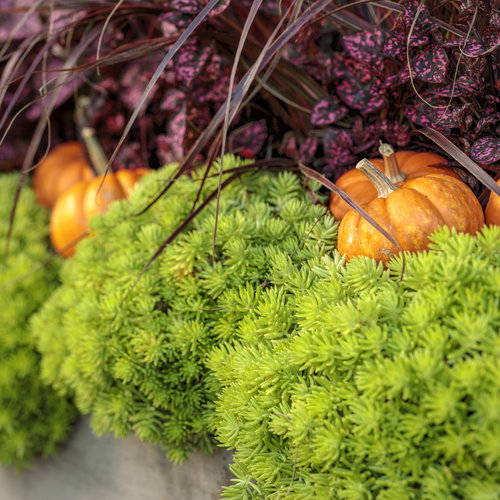
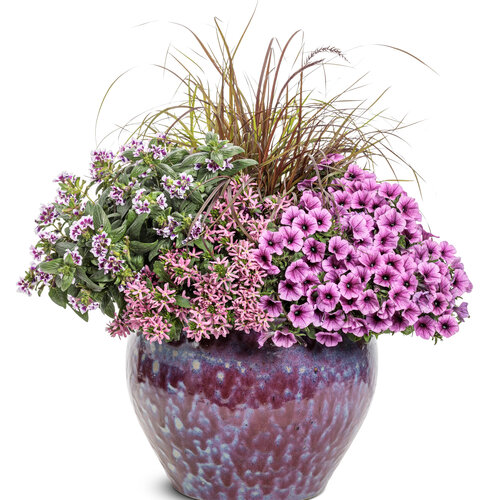
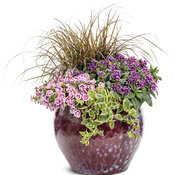
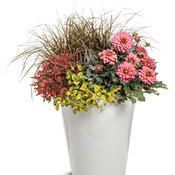
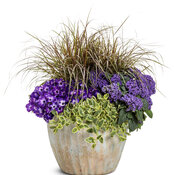
I love this plant. I actually like to use it in pots with mums and other things during the fall. Graceful wisps look beautiful.
Timothy Sullivan, New York, United States, 7 years ago -
My absolute favourite plant in June/July. Likes a daily drink and a very deep pot and rewards with a display of the most beautiful plumage, so soft and graceful. It's a real eye-catcher. I keep it in the shade as our temperatures in Cyprus, in the summer,can easily reach up to 40 degrees. It seems to enjoy its spot behind the shed in the shade. I also give the occasional feed. Once the plumage has started to drop, I cut it down to the base ready for next year. It seems to be a hardy plant as it suffers very cold nights in the winter but, again, the shed will serve to act as a protector from cold wind and sea breezes.
Gloria Oswick, Cyprus, 11 years ago -
I use this in pots with potato vine every Summer. It looks amazing!!
Marcy Davis, 13 years ago -
Beautiful grass in the ground. Great color throughout the season. Can get too tall and leggy in a container.
Heather, 14 years ago -
I have also tried this plant in Florida and it would not grow. I think it is better suited to dry climates. Here in AZ they look beautiful around my pool.
Sue J, Arizona, United States, 14 years ago -
This a fabulous ornamental. I grow 7 or 8 annually in my landscaped yard. I think more this year around back
Kay Williams, Oklahoma, United States, 14 years ago -
A great annual grass - constant comments on it's coloring, bloom and shape
Rick Margo, Michigan, United States, 14 years ago
Award Year Award Plant Trial 2021 Top Performer University of Minnesota - Morris 2012 Hall of Fame Cincinnati Zoo and Botanical Garden 2011 Superior (top 10%) Penn State University 2011 Superior (top 10%) Penn State University 2010 Top Performer Oklahoma State University Botanical Gardens 2010 Very Good Massachusetts Horticultural Society at Elm Bank 2010 Top Performer Oklahoma State University Botanical Gardens 2010 Very Good Massachusetts Horticultural Society at Elm Bank 2010 Very Good Massachusetts Horticultural Society at Elm Bank 2010 Top Performer Oklahoma State University Botanical Gardens 28 More Recipes -