


Plants
Proven Winners® Plants—Beautiful beds, pots and containers start here
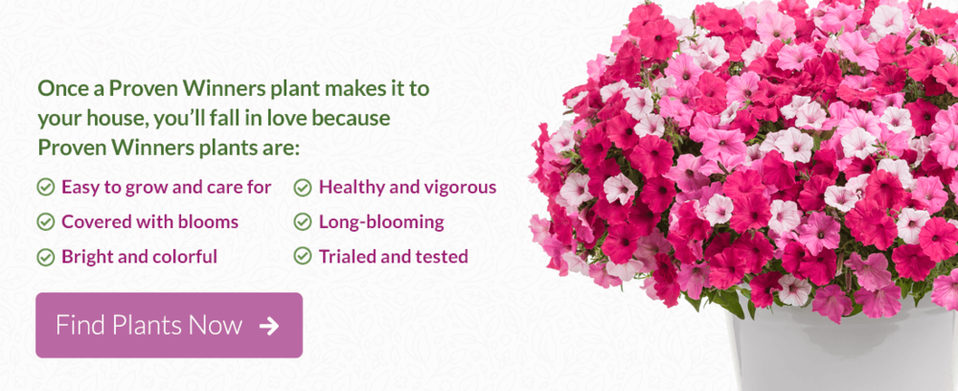
Proven Winners plants are preferred by both new and experienced gardeners because a better garden starts with a better plant. Proven Winners are top performers—healthy, disease-resistant, and easy to grow producing long-lasting color with wow power.
Proven Winners annuals, perennials and shrubs are selected from the best in the world. Our horticulturists travel the globe sourcing superior plants that are trialed and tested in Michigan, New Hampshire, California, Florida, Germany, and Japan.
The plants that make our final cut are chosen for their all-season color and bountiful blooms, resistance to disease and insects, and tolerance for heat and humidity. This rigorous selection process takes 2 to 3 years to assure Proven Winners plants perform better while using fewer chemicals. Reduced chemical usage benefits both your gardening budget and the environment.
As much as we love plants, we also love helping the people who grow them--gardeners like you. Our job is to make it easy to grow, maintain, and enjoy gorgeous garden beds and containers filled with proven plants. To help you, we offer a broad selection of top-performers along with green thumb tips and articles filled with expert advice.
Try these popular Proven Winners plants in your garden:
Browse our plants by popular colors:
Learn more about:
Garden Maintenance, including:
- Soil
- Planting
- Watering
- Fertilizing
- Pests
- Pruning
What's New
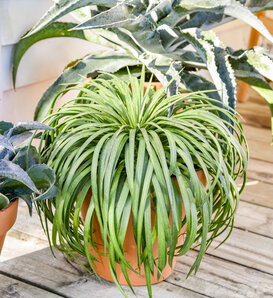
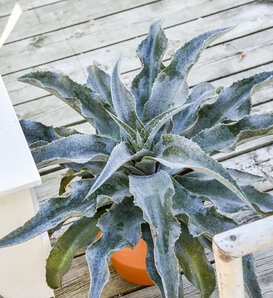
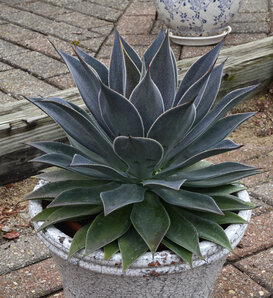
Latest Articles – Plant
Whether you are an experienced gardener or just beginning, it never hurts to review the basics. Please find below links to videos and articles that cover a wide range of gardening basics, this information will tell you everything you need in order to grow a great garden.
Looking for just the right plant to fit in that narrow space along your front walkway or unique plants to tuck into a retaining wall? Find those and many more in this pictorial guide to plants for tight spaces.