


Be a Rule Breaker!: The Basics of Growing Shrubs in Winter Containers
True - Winters on the east coast of Canada are cold.
False - You can’t grow and overwinter shrubs in pots.
In the early days of my garden education, I was told you couldn’t plant perennials, shrubs or trees in containers and expect them to survive the winter. Not gonna happen! Then, one mid-winter day I was visiting friends whose front door was flanked by two large containers planted with mature specimens of Dwarf Alberta Spruce that had been growing - nay, thriving - in their pots for almost a decade. Eureka!
Since then, I’ve seen many daring gardeners challenge Mother Nature by attempting - and succeeding - to winter over a selection of evergreen and deciduous shrubs. But before you head out to the local garden center, remember that success is not as simple as plunking any ol’ plant in any ol’ container. Rather, there are a few simple rules to help ensure that your pricy potted shrubs don’t kick the bucket with the arrival of old man winter.
Niki’s Golden Rules of Success:
1) Size Matters - Sorry gents, but when it comes to wintering over potted shrubs, you’ll need to choose the right size pot and plant. And bigger is better as if offers more soil volume and hence, more insulation to plant roots. Clever gardeners will earn bonus points by planting their shrubs in a pot that is then placed inside a larger container with the empty space between the two pots filled with mulch, bubble wrap or Styrofoam. As for plant size, most shrubs grow much slower than annual or perennial plants, so you’ll need to start with a good-sized specimen for instant impact!
2) Consider the Container - Beyond pot size, you’ll also need to consider the container material. A porous pot made from clay or terra cotta will absorb water, making it more susceptible to cold season cracking. Also look for pots with drainage so that winter rain won’t turn the roots into a soggy mess or - when temperatures plummet - an ice cube! Tilting the pot slightly (tuck a rock under one side) will help excess water drain off - even when the ground beneath has frozen.
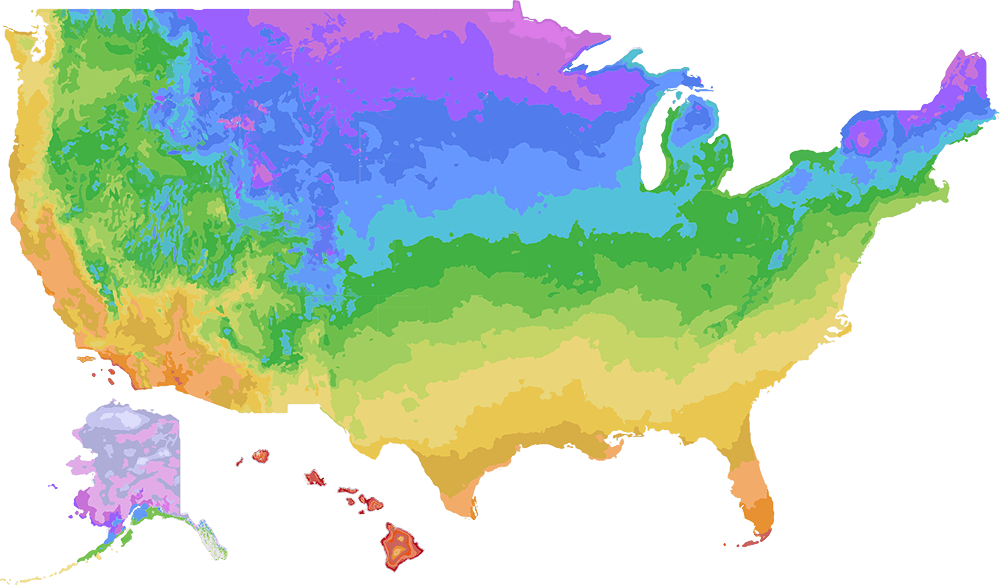
3) Pick the Right Plant - When selecting plants for your pots, choose species that are at least 2 zones hardier as they will be better able to survive the conditions of a winter container. For example, if you’re in zone 5, pick a shrub that is hardy to zone 2 or 3.
4) The Sweet Spot - Help boost success by placing your pots in a sheltered, south-facing site and for added insulation, cluster several containers together.
Top Plant Picks:
Generally speaking, evergreens are going to give you a longer season of interest than deciduous shrubs, but there are a few exceptions to this rule. For instance, Arctic Fire™ Red Osier Dogwood is a firecracker of a shrub with red-hot twigs that look outstanding in winter containers - especially when underplanted with a low-growing, spreading evergreen like Celtic Pride™ Siberian Cypress. Or, instead of a dogwood, try a compact shrub with intense red berries like Berry Poppins™ Winterberry.
Looking for a conical evergreen, but not too hot on Dwarf Alberta Spruce? Try ‘Filip’s Magic Moment’ Arborvitae, a soon-to-be-released native with gorgeous golden foliage. As an alternative to upright evergreens, consider ‘Anna’s Magic Ball'™ Arborvitae, an adorable one-foot tall ball of lime green that will warm up smaller pots or planter boxes. It’s also resistant to winter burn and keeps its eye-catching color all winter long.

© 2012 Proven Winners, LLC.