


Skip to Content Skip to Navigation

Dear Resistant Plants: Guest Post By Ruth Rogers Clausen

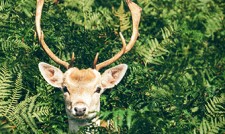
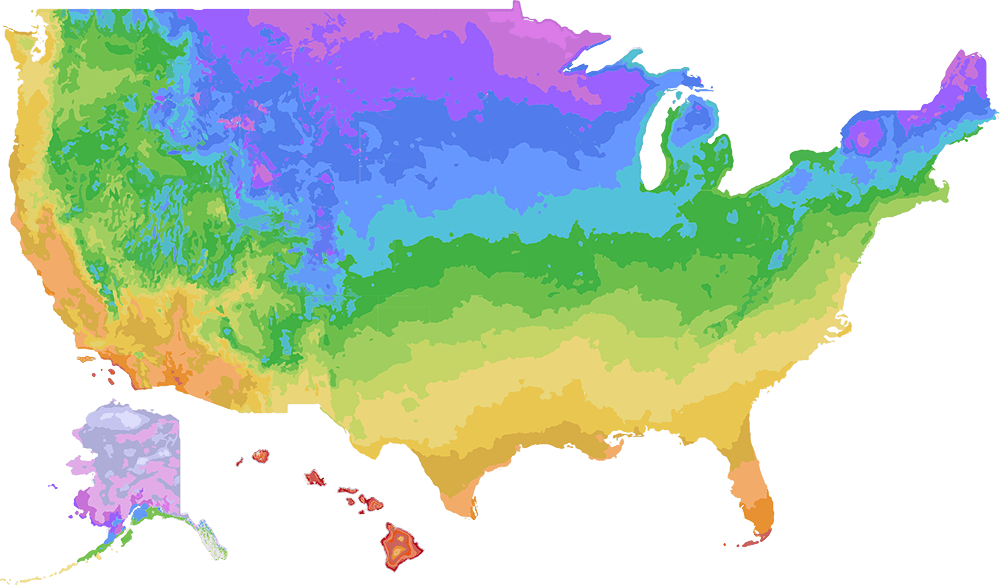
I garden in the middle of a Zone 6b-7a suburban area that is haunted by several herds of deer. Personally, at least one family of five usually camps out just off my driveway. I have tried various methods to protect my garden, but I hate spraying and I have found that easy-to-use granular deterrents (such as Deer Scram, Enviro Pro, Plantskydd, and Liquid Fence Granular) work well. It 's a nuisance to have to protect the whole garden, and fencing is out of the question, not only for the expense but bedrock is close to the surface so it is difficult to sink supporting posts. At the bottom of the 1 acre + property, affectionately referred to as "the Swamp", a stream flows into the local reservoir. In good conscience, I cannot fence this and deny the deer access to what must be a generational water hole.

Of course there were several answers to this conundrum, but I chose to select plants that did not put out the welcome mat for the deer.  Most people think a list of deer-resistant plants is tiny and unexciting, but I discovered a whole slew of plants unpalatable to deer. Why set up a welcoming deer buffet with tulips, lilies, hostas, and daylilies, when daffodils, yarrows, sages, and hellebores are close at hand? I planted a "barrier" of my favorite spring-blooming witch hazels (Hamamelis) close to the property line where deer usually enter, only to discover that although they don't actually browse the woody plants, they do indeed enjoy soft new growth and flower buds—the fall foliage color is vibrant yellow however. In my next life I might plant deer resistant tall weigelas, like Sonic Bloom Red, or spiny trifoliate orange, Poncirus trifoliata, there instead.

In sunny parts of the garden I ignored roses— deer food par excellence (except for the rugosas)— and concentrated on shrubby potentillas, like Happy Face White (I was thrilled to see them growing wild in Glacier National Park), some of the lovely and recently introduced weigelas including Midnight Wine® and Fine Wine, and bush clover (Lespedesa 'Gibralter') . For perennials, both hardy and tender, I concentrated on the huge sage family. One bed, around a fruiting pear that needed "protection", tall sages such as 'Black 'n Blue', Blue Frost, and ‘Santa Barbara’ Mexican Sage worked well with shorter sages toward the edges. I like S. officinalis, Icterina as well as Tricolor and Purpurea, S. sclarea v. turkestanica, 'May Night', and 'Snow Hill'. The deer ignored them, although I did see them passing through the property close by.  

Along the path to the north-facing front door I planted fragrant, evergreen winter box, Sarcococca humilis v. hookeriana, accompanied by Heuchera Dolce® Key Lime Pie with its stunning chartreuse leaves, especially attractive in winter and a good-looking combo year round.

Ruth Rogers Clausen's Perennials for American Gardens received the 1990 Quill and Trowel Award from the Garden Writers Association. She has also written for the American Garden guide series: Perennial Gardening with the New York Botanical Garden, Annual Gardening with the Missouri Botanical Garden, and Trees with the Chicago Botanic Garden. Her most recent book is 50 Beautiful Deer-Resistant Plants, published by Timber Press.

© 2012 Proven Winners, LLC.

Back to Top