

March Pruning of Flowering Shrubs
The first of March marks the start of spring gardening for me. I know I jump the gun by several weeks, but I find it very helpful to get outside early and start to prep for the growing season. Like this year in the northeast, my time outside this month traverses both winter and spring activities. I might shovel snow one day and plant onions and kale the next. One thing my March gardening always includes is pruning flowering shrubs.
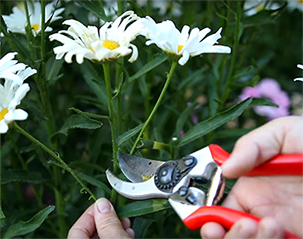
When I speak of pruning, I don’t mean heavy-handed shaping with hedge trimmers. I prefer plants to grow in their natural shape. Some shrubs are tidy and don’t need a lot of maintenance, but pruning does more than just neaten. Done properly, pruning helps the plant stay open and prevents the interior from becoming woody and thin. Cutting out some older interior branches, allows sun and air to reach the plant interior, which lessens risk of disease while
stimulating new growth.
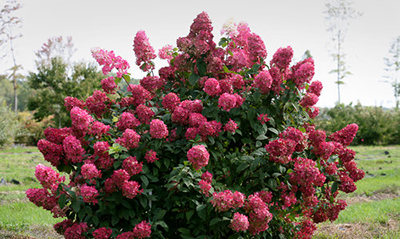
Late winter, heavy pruning of shrubs in mixed borders, helps keep visual harmony between shrubs and perennials. Without pruning, the size, shape and even texture of the two types of plants can become different enough that they no longer seem to work together. Shrubs that are strong growers, like Butterfly Bushes, Berberis and Leycesteria can happily handle this kind of routine heavy pruning.
Before heading out and taking sharp shears to all of your shrubs, take a minute to make sure you know which ones can tolerate trimming. Late winter pruning should only include shrubs that are summer flowering. Spring bloomers like Lilac, Forsythia and Camellias bloom on old wood. By pruning in spring, you are removing this year’s flowers. These types of shrubs are best pruned right after they flower.
Often, people find it difficult to determine when to prune Hydrangeas. Let me start by saying that it is not necessary to prune them. You certainly can, for reasons of aesthetics or to remove dead wood, but they will bloom each year without cutting stems back. Further, some varieties bloom on old wood. Pruning in the spring could result in the loss of this year’s flowers. If you are going to prune, it’s important to identify the type of Hydrangea you have. If it is a summer bloomer (blooms on new wood) like Incrediball® Hydrangea, prune in late winter before new growth begins. If it is a spring bloomer (blooms on old wood) like Cityline™ Mars Hydrangea, prune after flowering. If you have a rebloomer like Let’s Dance® Big Easy Hydrangea, remove blooms as they die. This encourages blooming all summer long.
If you’re looking for shrubs that require less maintenance and little or no pruning, look for dwarf varieties that top out at the height you need for a specific location like My Monet® Weigela. Also, look for shrubs like hold their shape over time like Double Play® Gold Spirea.
Here’s hoping we spend more time with our pruners than our snow shovels this month! Whichever season March decides to favor, have faith that with a little knowledge and a little attention from your favorite set of pruners, flowering shrubs will soon thrill you during this growing season with raucous bloom.