

Skip to Content Skip to Navigation

Winter Interest in the Northeast

Part of the joy of gardening is observing the changes in your landscape each season.  As temperatures drop, and as perhaps a little snow covers our gardens, that joy is not diminished. Winter gardens, in fact, with a little creativity and planning, are simplified yet stunning. 

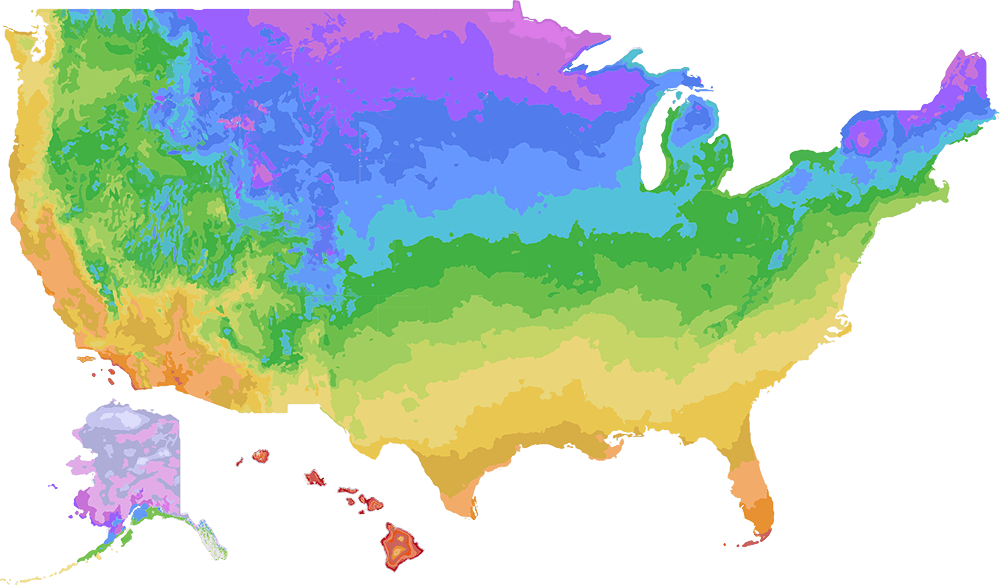
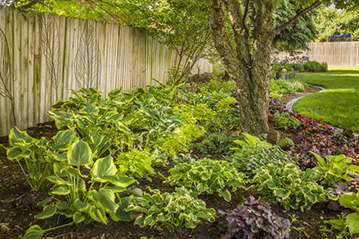
Access to natural beauty in winter is particularly important in the Northeast. Our winters seem longer and can be more punishing.  It’s life giving for us to experience the pops of brightly colored berries and evergreens visible in the muted palette of winter.  Twisted branches and colorful textured bark stand out against clean white snow.  Perennials left standing from fall become structures for snow sculptures.  Some tough little perennials, like heuchera and helleborus, provide color in my Zone 6 garden year round. 

In January and February, I spend a lot of time planning what I want to do in my gardens in spring. Now is a great time to walk your garden and take a few notes about areas that could use plants to add winter interest to your garden. I’ve found that there is no need to rely strictly on conifers or traditional evergreen shrubs for winter color. For a bit of fun, think about using shrubs for berries, bark or stem color, form and texture in your landscape.

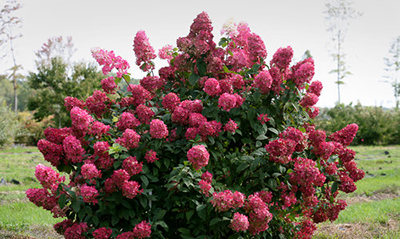
Among the shrubs that keep me smiling during short grey days are Hydrangea, Holly , and Viburnum . Great varieties are available for each of these. I’m partial to Brandywine Viburnum, for the fall red colored leaves that last well into winter and the fun mix of blue and pink berries. Try Winterberry Holly, Berry Nice®, for bunches of berries or Hydrangea Abracadabra Star. Its dark stems are a dramatic contrast against the bright white snow.  If you have a sunny spot, consider massing red twig dogwoods like Arctic Fire for a ruby color boost in winter. 

Perennials left from fall build a foundation and shrubs provide great architecture for the winter garden. Summer and spring can be a color riot where green is the neutral. In winter, green becomes a standout color against winter’s neutrals of grey and beige and white. Though red is always bright, in winter it steals the show and warms your heart. 

© Proven Winners, LLC.

Be the first to comment!

Post new comment

CAPTCHA
This question is for testing whether you are a human visitor and to prevent automated spam submissions.
Back to Top