


Skip to Content Skip to Navigation

Planning Ahead for a Summer Shade Border

We’ve all seen gardens that look “okay” and those that look “wow” — ever wonder what makes the difference? It’s usually a few things working together, like designer tricks of the trade like creating contrast, repetition and texture in the garden — but sometimes it’s more basic, like combining perennials and annuals in one bed and paying attention to creating plantings that have seasonal interest. Since fall is the perfect time for planning, let’s take a few minutes to strategize for next year’s garden, with an eye toward summer.

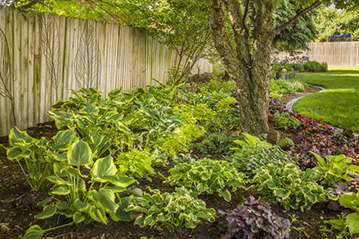
I’m assuming you have a good backbone of evergreens in your garden. Those are the plants that stay green all year long, don’t lose their leaves, and provide an excellent backdrop for all of your other plants. Okay, now that we’re good to go with evergreens, let’s talk perennials and annuals. I like to start with some luscious ones with larger leaves like ‘Hudson Bay’ Hosta  — its blue-green leaf margins and white centers are so much more interesting than solid green foliage. And if you look closely, you’ll see a bit of apple green peeking out between those two colors, making this plant one that earns its keep in the looks department.

Next, add a perennial with a bit of flower power, like Pagoda White Columbine. The brilliant white bloom picks up the creamy center of the hosta you’ve already planted, creating a unified plant combo. If you have some river ferns or Japanese painted ferns to add for texture, those plants would be a perfect textural twist for this summer shade garden.

Ready for a little punch of color now? Add some impatiens like Rockapulco® Coral Reef Double Impatiens for a bit of annual zing — this intense pinkish-coral color really pops next to the green-and-white palette of the perennials. I prefer using just one solid color when I plant annuals, as it creates a much stronger impact than using multiple colors. However, if I’m feeling really whacky and devil-may-care, I’ll choose two colors, like coral and white, and alternate them at the front of the border.

So you get the gist—spend some time this fall planning next year’s garden, and next summer you’ll have a landscape that your neighbors will swoon over. Because if the neighbors aren’t swooning, then clearly your work is not done.


 © 2012 Proven Winners, LLC.

Back to Top