


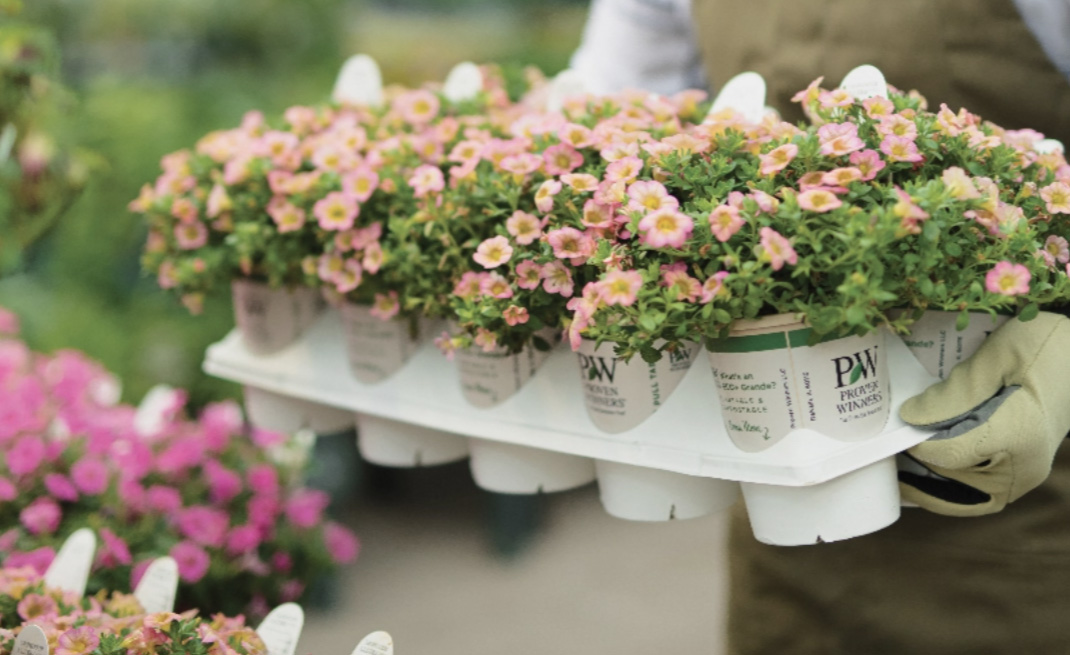


Your First Houseplant: How to Start Strong as a New Plant Parent
Welcome to the wonderful world of plant parenting! Much like real parenting, it will be fun, rewarding, and a little surprising—without any late night tears or diaper changes.
Here’s a quick introduction to help you get your leafy new companions started off right.
How to pick the right houseplant for your space
The vast array of houseplants out there makes it easy to get carried away—or overwhelmed. Keep these things in mind as you shop to find the perfect plant for your space:
- Start slow. Start with just one or two houseplants. Once you get comfortable with your ability to look after them, you can always add more.
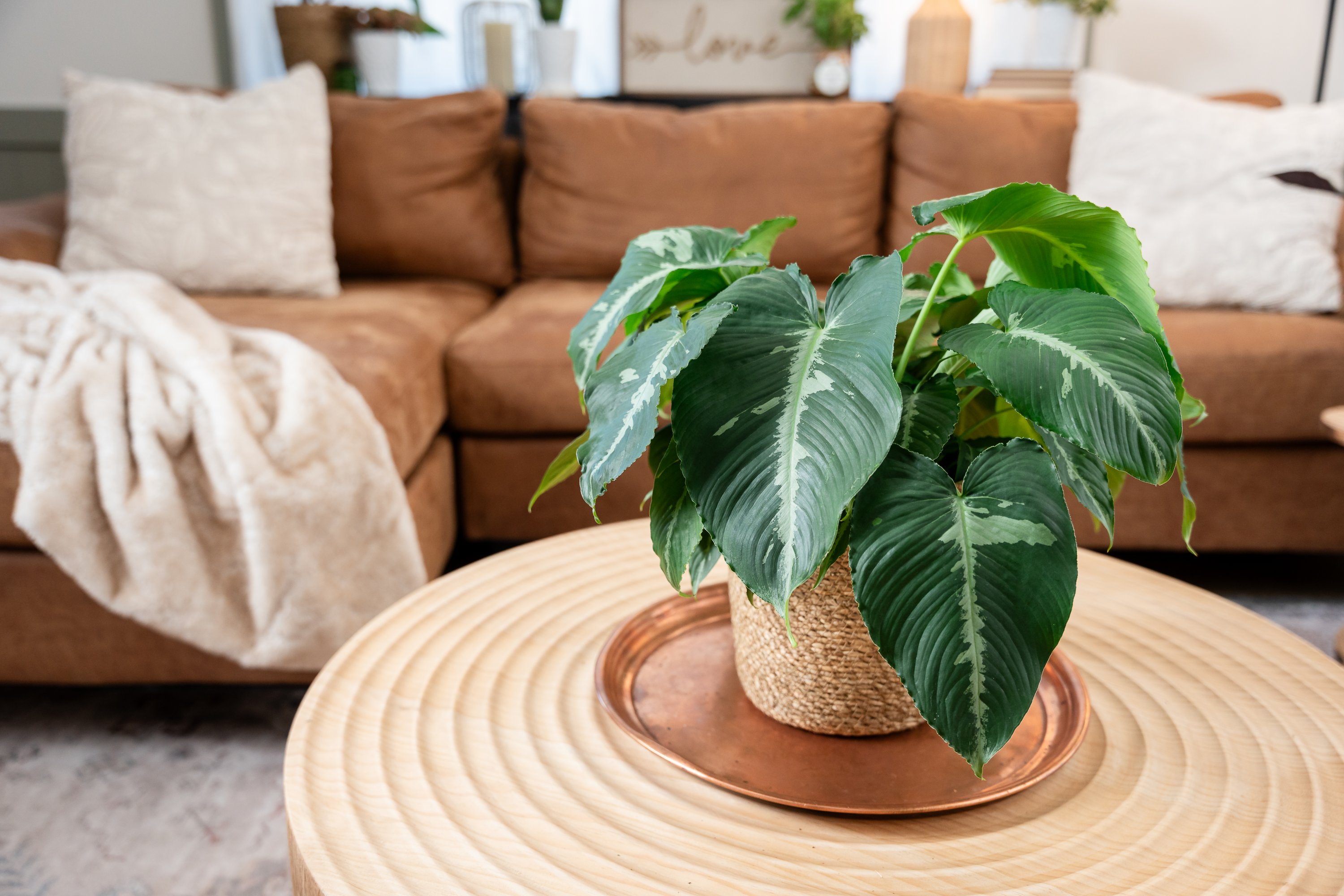
- Know your environment. Plants are decor, but they’re also alive. Just because you love the look of a plant doesn’t mean it will do well in your space.
Houseplants have specific needs regarding light, temperature, and humidity. Read the tags and opt for plants already suited to your environment.
Leafjoy houseplants have clear color coding on their tags to tell you if they prefer bright light, dim light, or high humidity.
- Start with flexible varieties. For your first few plants, choose hardy varieties that tolerate a range of light, humidity, and watering conditions. Easygoing houseplants like pothos and snake plants will forgive you if you miss an occasional watering or take a while to find the right lighting conditions. These 15 plants are the easiest for new plant parents to keep alive.


How often you should feed and water your houseplants
Use tap or filtered water.
If there is chlorine in your tap water, let it stand in the watering can for about an hour before giving it to your plants. This allows the chlorine to dissipate.
To water your houseplants, pour the water on the soil, not on the leaves. Follow the directions on the care tag regarding how much water to give and how often. Overwatering is one of the most common mistakes new plant parents make.
Look up information about your specific plant varieties to know the symptoms of over- and underwatering. For example, a pothos that is overwatered will often start to turn yellow, while one that is underwatered will look limp and curl its leaves.
Feed houseplants about once a month with a balanced fertilizer. Resist the temptation to feed them more often; it won’t help and is more likely to hurt the plant.
Houseplants that are (almost) care free
Want greenery without the guesswork? The H2O or Terraform Terrarium lines from leafjoy bring beauty and calm to your space—no green thumb required.
Leafjoy H2O plants grow soil-free in gorgeous glass vessels. The glass container and visible roots just add another layer of interest and elegance to the plant!
The varieties in the H2O line were chosen for their ability to thrive in a wide range of lighting conditions, from bright to dim. They’ll do best in a room with indirect light. That means the room has natural light available, but it’s not shining directly on the plant.
When you first get your H2O, use tap or filtered water in the vessel, without removing the cork, if it has a cork. About once a month, add more water and replace water if it looks discolored. That’s it!
Terraform Terrariums are even easier to care for. In this self-contained ecosystem, you’ve got an entire garden that fits in the palm of your hand.
The only real care you need to take with a terrarium is keeping it out of direct sunlight. On rare occasions, it may get too humid inside the bottle, causing the glass to fog up. If that happens, you can tilt the lid for about an hour to let the moisture escape, then put the lid back. In even rarer instances, the plants inside the terrarium can start to look a little thirsty. If that happens, you can add a tiny bit of water to the soil, then replace the lid to preserve the moisture.

Even if you’ve had bad luck with houseplants in the past, you can succeed at bringing beautiful, tranquil greenery into your home year-round. Start by understanding what your plants need and providing it for them. Leafjoy plants have big, easy-to-read tags that help you choose the right plant for your space, and QR codes that link to more plant-specific information.