




ColorChoice Articles
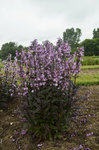
Purple is the new neutral in the gardening world. It goes with just about any other color you pair it with, from contrasting oranges to complementary pinks and greens. The descriptors “blue” and “purple” are used loosely when it comes to purple flowering plants; they describe a whole range of these cool tones. Check out this list of thirteen purple landscape plants you’ll love in your garden.
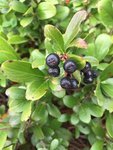
While lots of people are talking about it these days, gardening for pollinators – insects, birds, and even bats that feed on the nectar, pollen, and leaves for plants - isn’t just a trend, especially when incorporating shrubs for pollinators into your landscape. It’s central to plants’ roles in our ecosystem. If you don’t get the appeal of attracting pollinators to your landscape, planting one of these ten shrubs for pollinators will make you a convert. Each one is beautiful, easy to grow, and ranks among the best shrubs for pollinators, while the pollinators they bring in will add another layer of excitement to the floral display.
Or better yet, try more than one, layering in pollinator friendly shrubs for all seasons, to invite nature’s visitors to your home for months each year.
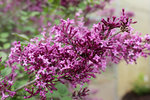
Clay soil is much maligned by gardeners and homeowners everywhere, and no wonder: it’s heavy, sticky, and difficult to work in as part of clay soil gardening. But the simple fact is that clay soil gets its bad rap because it’s hard on people - from a plant’s point of view, clay soil is usually not problematic at all, particularly for plants that grow in clay soil. In fact, clay soils offer plants two major advantages over other soil types: they hold water well, minimizing drought stress, and are abundant in nutrients essential for plant growth. So, if you’ve been struggling to achieve your dream garden or landscape in clay soil, cheer up! Here are ten beautiful shrubs that will thrive in clay.
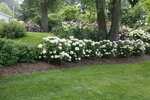
I recently had the opportunity to speak to the Russian Nursery Stock Association at their annual conference in Moscow. This is the second time I have spoken at this conference and the attendees were once again eager to learn about new flowering shrubs that are hardy enough for Russian winters.
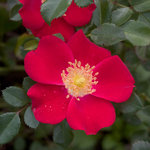
Have you ever seen a rose looking a little bit…weird? It could have rose rosette disease. Here’s our FAQ on the problem, what to do if you get it, how you can prevent it.
Photos courtesy of:
Jennifer Olson, Oklahoma State University, Bugwood.org
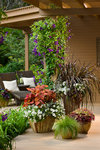
You should really grow up! Wait, let me put that a better way…you should really try vertical gardening. While it has become kind of a trendy concept in recent years, vertical gardening is about way more than those fashionable green walls you see everywhere. At its simplest, vertical gardening means that you’re using every available inch to create a special outdoor space where you can be surrounded by greenery and explore creative vertical garden ideas. Whether you have a balcony, patio, or small yard, or are just looking to make a retreat worthy of Instagram and Pinterest, these basic vertical garden ideas and gardening principles will help you get the most from your garden while minimizing effort and expense.
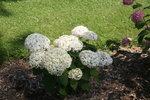
Proven Winners® ColorChoice®
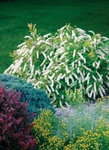
Native cultivars make up a large part of our native flowering shrubs catalog, from Aronia to Viburnum. Take an in-depth look at all of them in this comprehensive article featuring our best native shrubs.
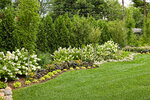
Shrubs are a key element for building good garden bones so it's important to get their placement right.
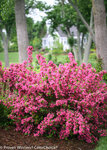
Pruning shrubs may seem daunting, but mastering the basic principles behind the why, when, and how makes it a simple and rewarding process.